
Blog
AI insights for business leaders
Best practices and insights on AI automation, LLMs, generative AI, and computer vision for companies building, adopting, or automating with AI.
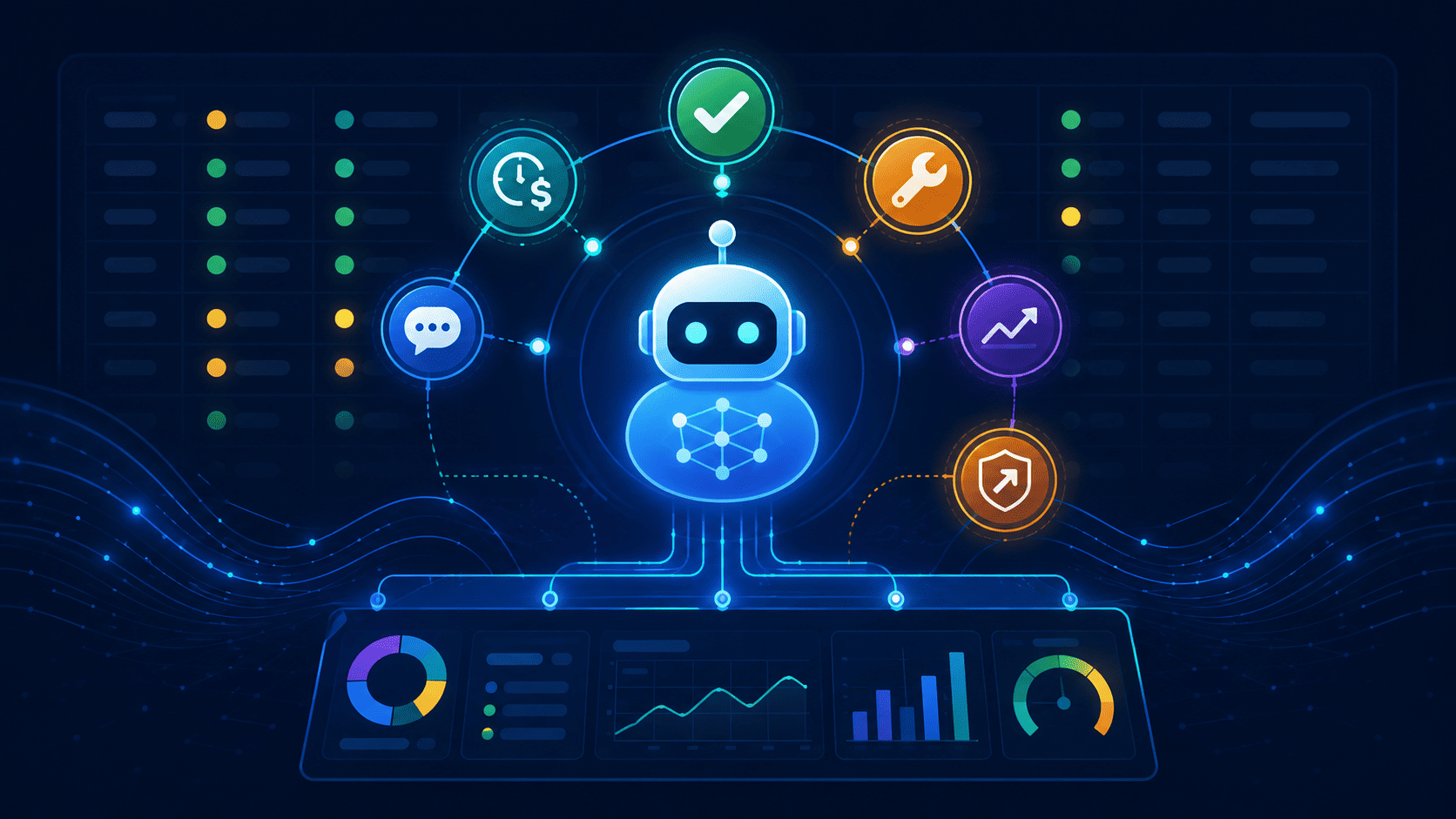
Agent Observability: Six Signals That Reveal Whether Your AI Agent Is Correct, Reliable, and Cost-Effective
Conventional monitoring checks availability, errors, and performance. Agent observability adds semantic quality, workflow completion, tool-use correctness, and business outcomes. Six signals every team should wire before deployment, not after the first incident.
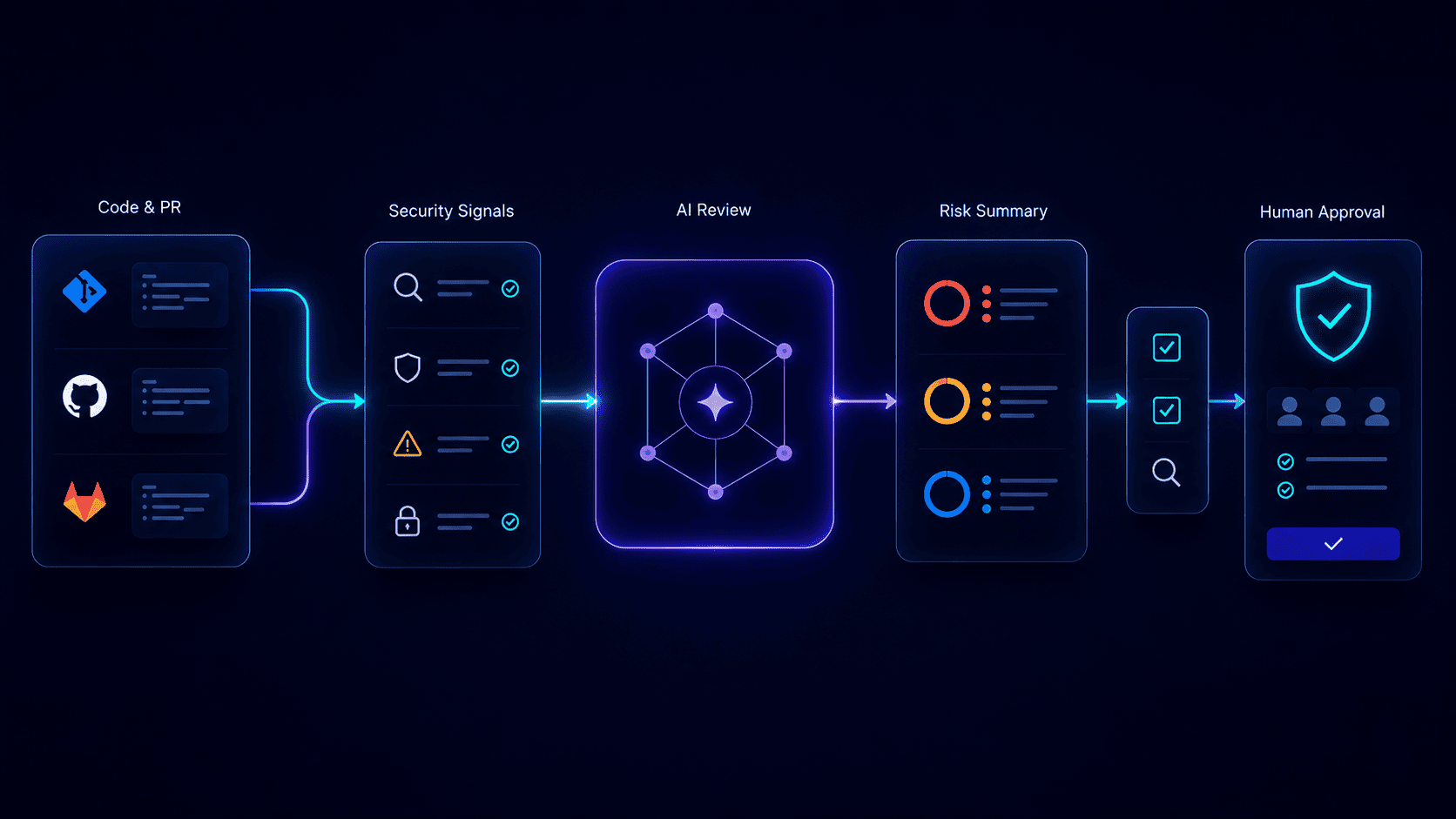
AI Security Review Agents: From Static Scans to Context-Aware Risk Reports
AI security review agents can help software teams move beyond raw scanner outputs by adding repository context, risk explanation, remediation guidance, and clearer reporting. The safest approach is not AI instead of security tools, but a hybrid review pipeline with deterministic scanners, AI reasoning, and human approval.
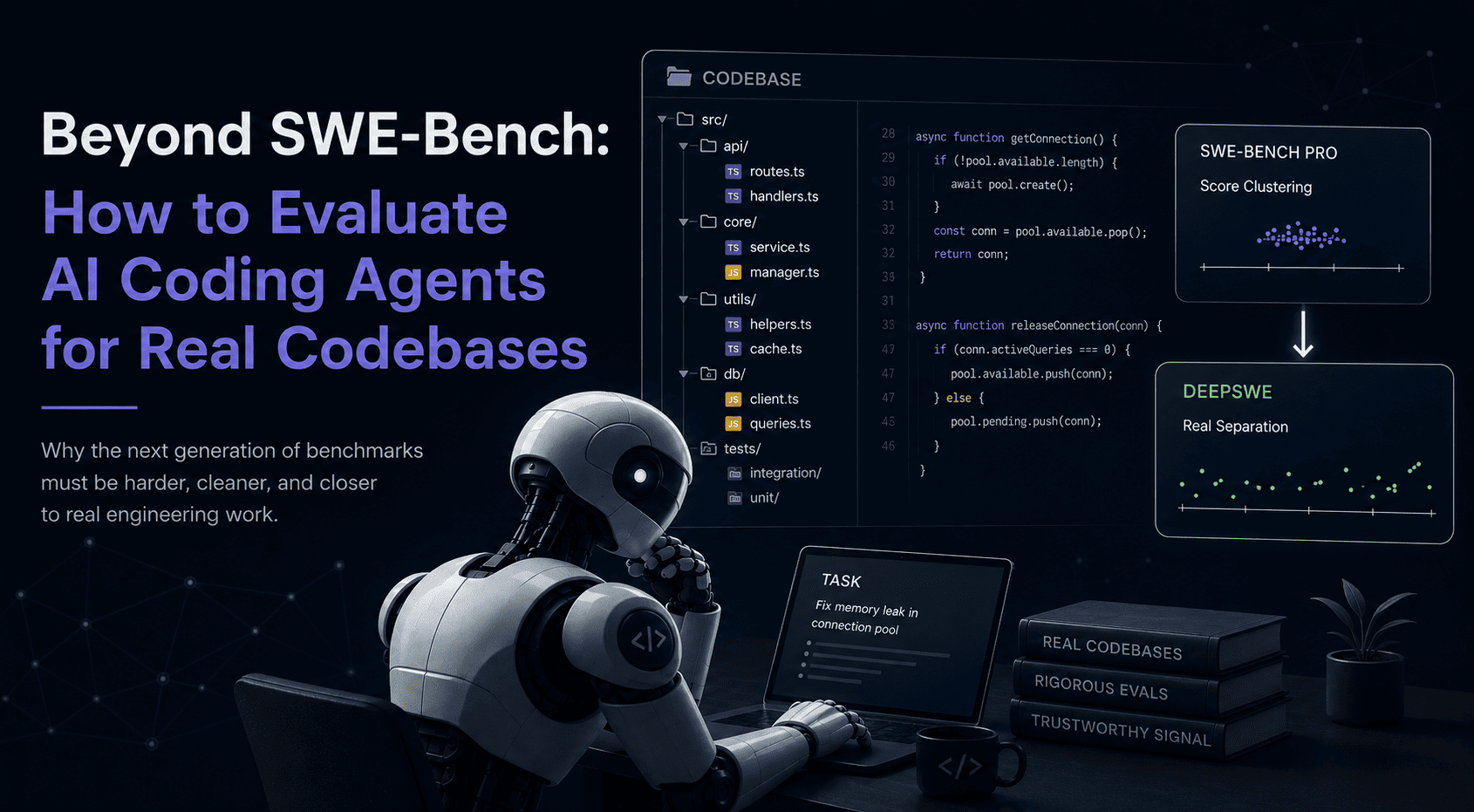
Beyond SWE-Bench: How to Evaluate AI Coding Agents for Real Codebases
DeepSWE shows that coding-agent benchmarks are moving beyond simple code fixes. For businesses, the real question is not which model won, but how to evaluate the right model + harness + workflow combination against their own engineering work.
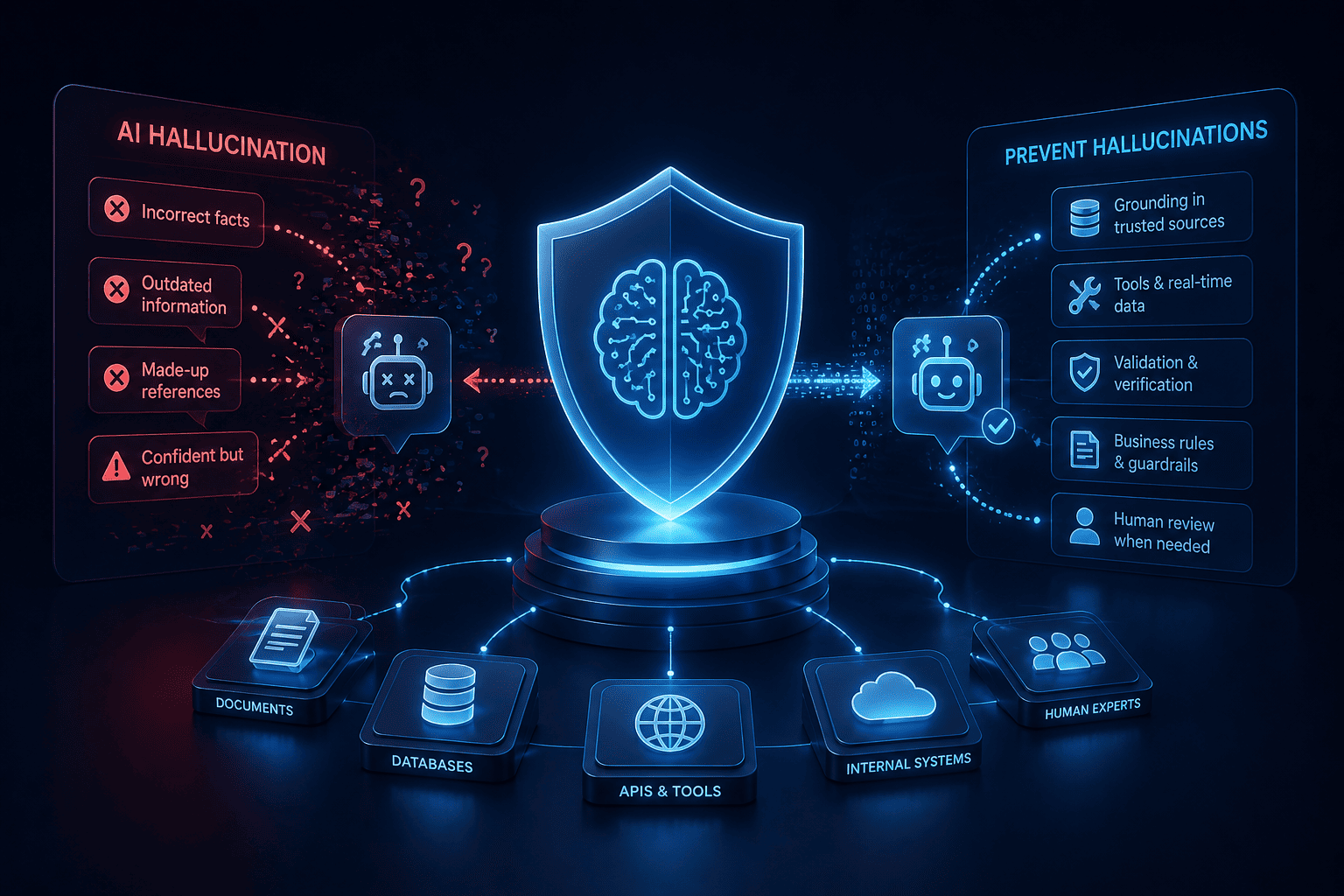
Preventing AI Hallucinations in Production LLM Systems
A practical guide to reducing AI hallucinations by grounding LLMs in trusted data, validating outputs, adding checkpoints for agents, and monitoring reliability in production.
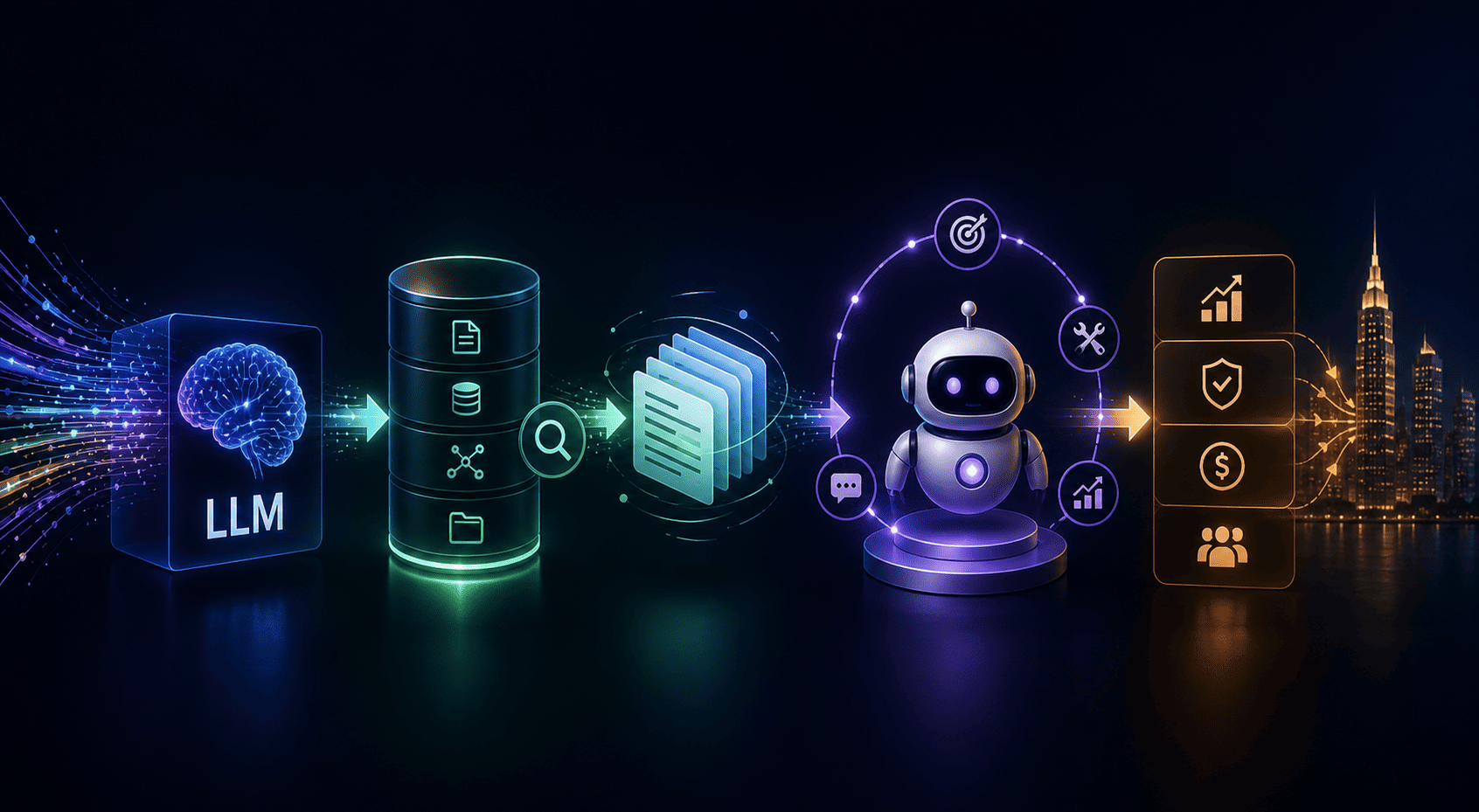
LLMs, RAG, Agents, and Agentic Workflows Explained
A plain-English guide for business leaders on the four pillars of modern AI orchestration: large language models, RAG, AI agents, and agentic workflows, and how to architect reliable systems that drive real operational value.
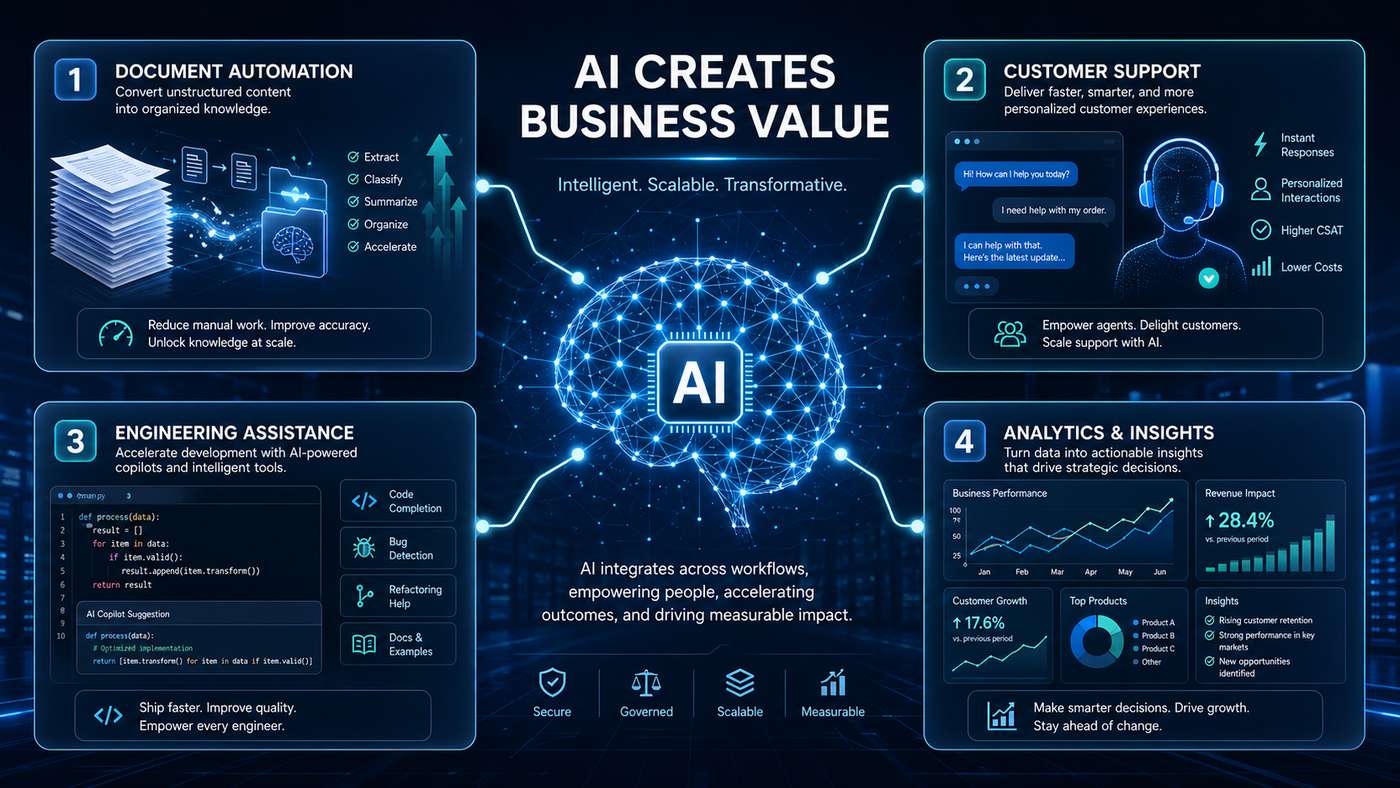
Build vs. Buy: A Strategic Decision Guide for Enterprise AI
With 76% of enterprise AI use cases now purchased rather than built, the "Build vs. Buy" calculus has shifted. This guide provides a 2026 framework for evaluating strategic differentiation, TCO, and the "Experiment, Extend, Evolve" implementation model.
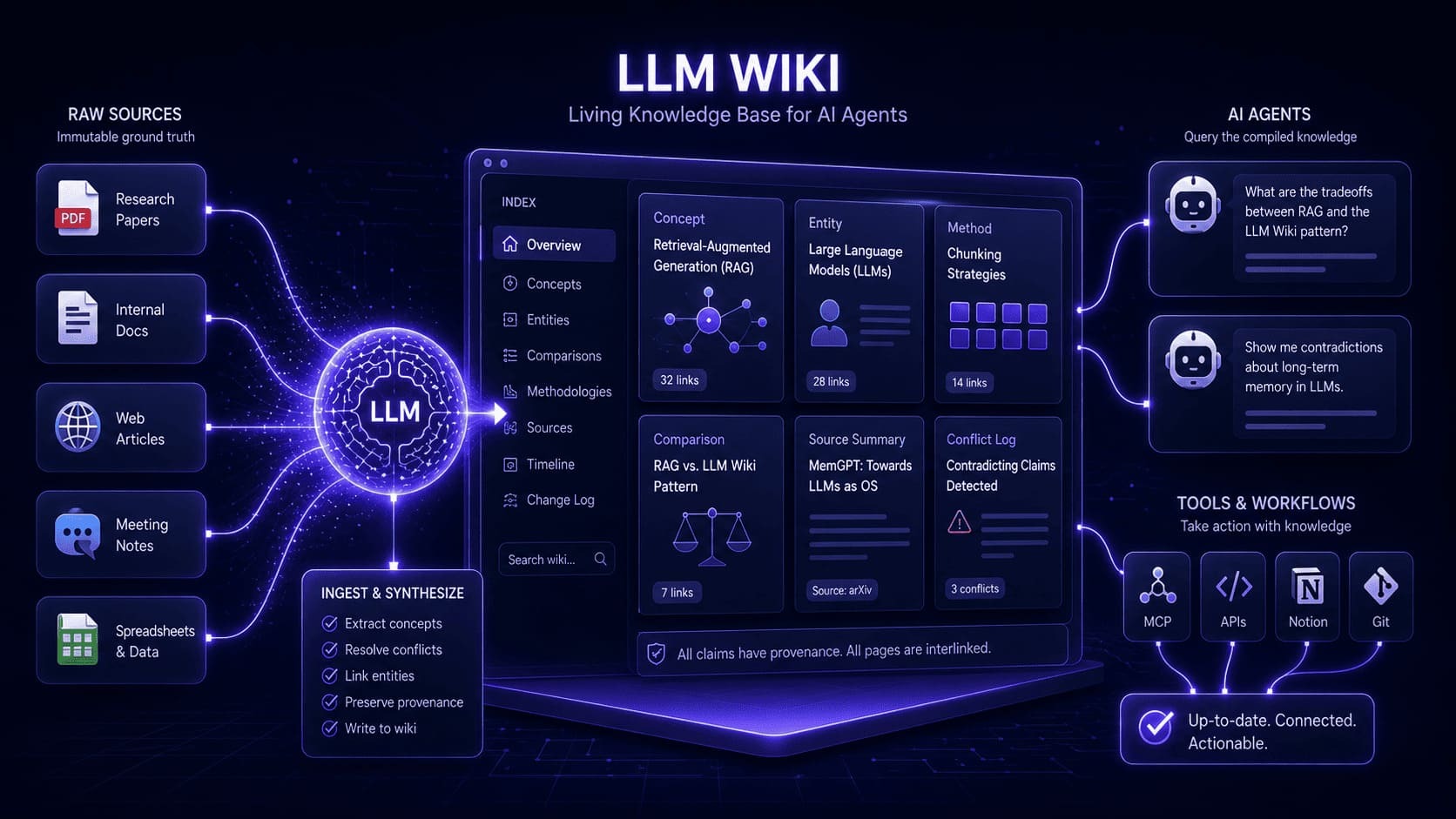
LLM Wikis: A Better Knowledge Base for AI Agents
Why an LLM-maintained wiki can compound knowledge, preserve provenance, stay easy to maintain, and connect to tools over time.
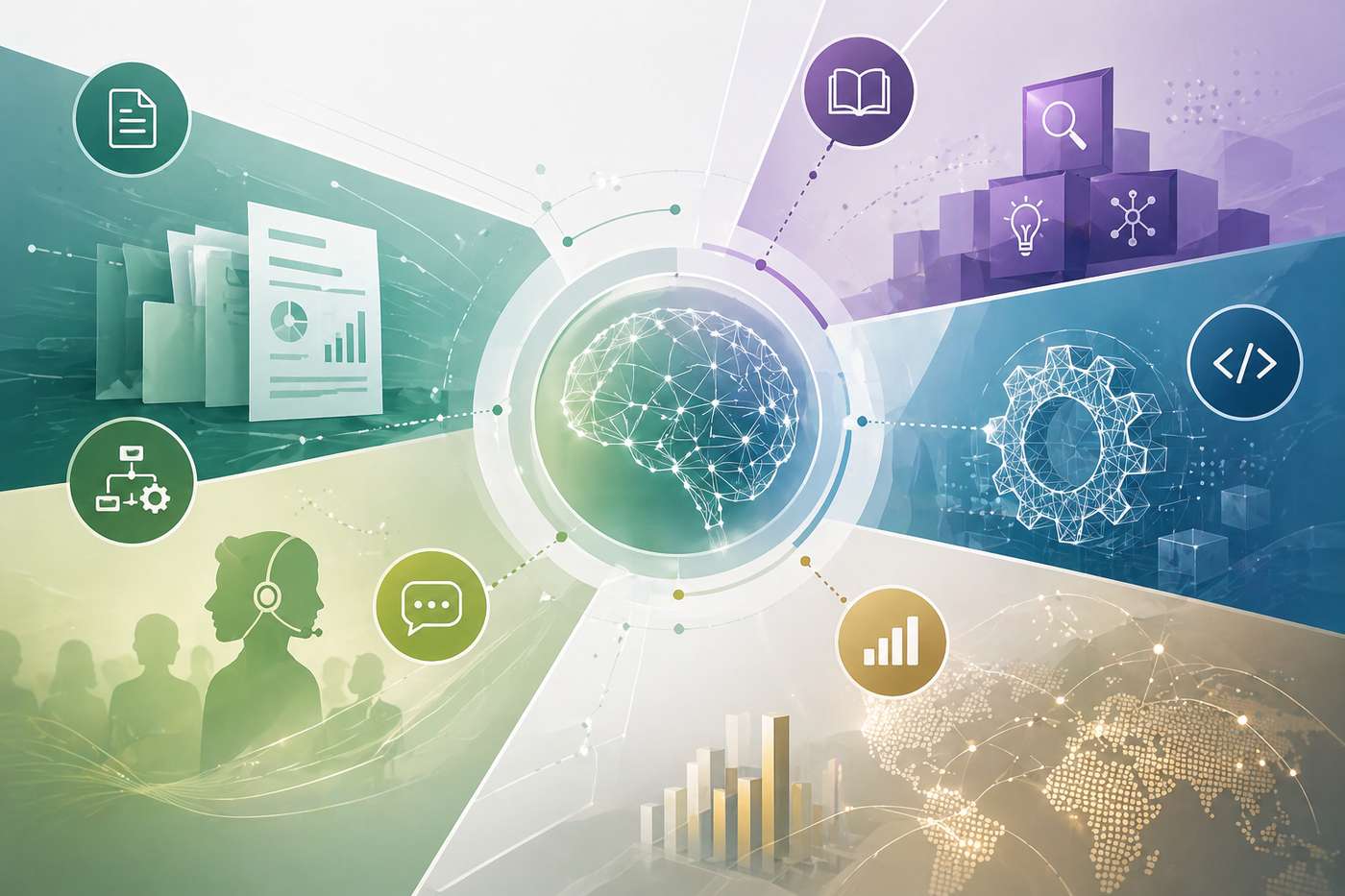
Where AI Actually Works Today
AI adoption is accelerating, but not every workflow is ready for automation. This article explains where AI works reliably today, where it still needs human supervision, and how leaders can decide which use cases are safe, measurable, and worth piloting first.

The hidden cost of building products with LLMs
Moving an LLM from a prototype to a production-scale product often reveals a far larger cost surface than budgets account for. This post breaks down the hidden drivers for building sustainable AI margins.
Why AI Benchmarks Don’t Tell the Full Story
Public AI benchmarks are useful for shortlisting models, but they rarely prove production readiness. This article explains why businesses need to evaluate AI systems against real workflows, private data, cost, latency, risk, and operational impact.