
Computer vision systems
Detect, inspect, monitor, analyze.
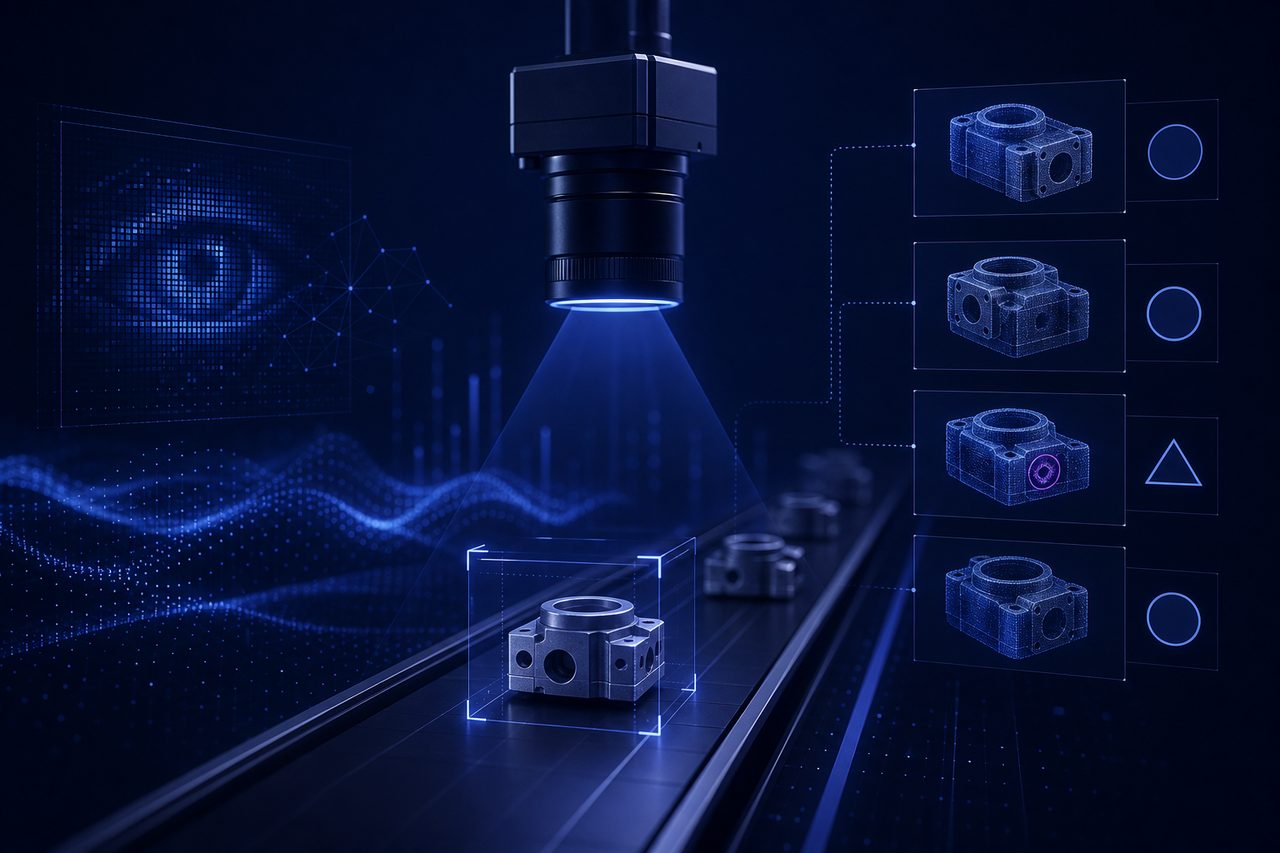
There's a version of computer vision that lives in papers and demos: a model that looks at an image and writes a caption. That is not the version most businesses need.
The version that ships and pays for itself is narrow and boring. Count the number of cars in this lot. Flag the crate that was packed with the wrong product. Read the serial number off this stamped label. Watch this loading dock and tell me when it is unattended. Check that this worker is inside the safety zone. The job is tight, the failure mode is clear, and the output goes straight into a system someone already looks at every day.
These systems run everywhere: on a phone, on an edge device bolted to a forklift, in a browser inside a support tool, or on a server crunching video from twenty cameras at once. Where they run matters as much as what they do. A defect detector that takes eight seconds per image is a research project. The same detector running in two hundred milliseconds on a small edge box is a product.
What we do here:
- Scope the problem down to one observation that has a clear before and after.
- Collect or use existing data, label it carefully, and build a small evaluation set before touching the model.
- Pick the smallest model that actually works. Smaller usually means cheaper to run and easier to debug.
- Ship it into the existing camera, line, app, or sensor setup instead of building new hardware from scratch.
- Put a dashboard on top so the operations team can see what the system is seeing, not just the final verdict.
The outcome is rarely “AI replaced our inspectors.” It's usually “the team inspects the same volume with half the headcount, and the rate of misses keeps going down.” That's the version of computer vision we build.